
What actually happens during a waste audit
Waste · 2026-01-21 · William Smith
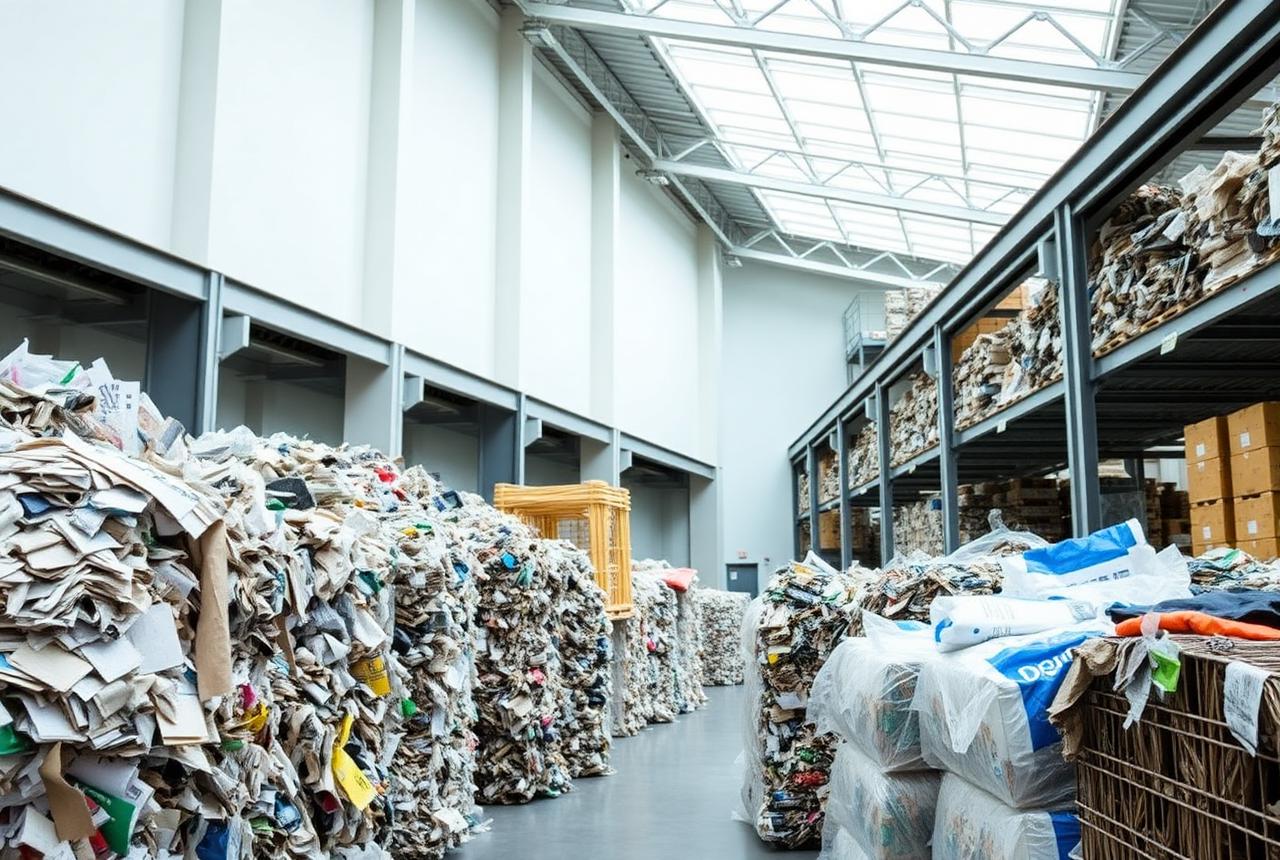
A plain description of the week we spend on your site, what we weigh, what we count and what you receive at the end of it.
Before we arrive
We ask for twelve months of hauling invoices, your container inventory, a site plan and the names of the people who actually manage the bins. The invoices alone often reveal the first saving: containers serviced on a fixed schedule regardless of how full they are.
Day one: the walk
We walk every waste generation point on site with your facilities lead and photograph what we find. Where bins are, what is in them, what is labelled, what people are actually doing versus what the signage says. This is where most of the practical findings come from.
Days two and three: the sort
We take a representative sample of the waste stream, usually across two collection days to cover variation, and hand-sort it into categories on a tarp with scales. It is not glamorous. It is also the only way to know that thirty-one per cent of your landfill stream by weight is clean cardboard.
Day four: the numbers
Sorted weights are extrapolated against your actual service volumes to produce annual estimates by material. We cross-check against invoice tonnage where the hauler reports it, and we state the variance rather than hiding it.
Day five: the conversation
We sit down with operations before writing anything. A recommendation that ignores how the loading dock works at seven in the morning will not survive contact with reality, and your crew will tell us that in ten minutes if we ask them.
What you receive
- A characterisation table: material, weight, share of stream, current destination.
- A diversion opportunity list, ranked by tonnes and by dollars.
- A bin and signage plan drawn on your site map.
- A hauling contract review with specific renegotiation points.
- A one-page summary suitable for a board or council paper.
What it typically finds
Across the audits we have run, the recurring findings are remarkably consistent: cardboard and clean paper in the landfill stream, over-serviced containers, front-of-house bins that are unusable because the signage is ambiguous, and one material — often film plastic or pallets — with a local outlet nobody knew about. The financial case is usually made by the container schedule, not by the recycling.
Written by William Smith, Owner and Principal Consultant at Eco Sinergia LLC, Helena, Montana. Questions about anything above? Email info@eco-sinergia.org or call +1 917 480 5253.
Let's talk about your site, your permit or your report
Tell us what you are dealing with. We will tell you honestly whether we are the right firm for it, what it will take, and what it will cost.